How to Read Nicotine Pouch Labels With Confidence
@nicotinenotebook
Nicotine pouch labels can look dense at first glance. Small numbers, strength marks, flavour names and pouch counts all sit together, often with a warning panel and product details squeezed around them. Reading them calmly makes the choice clearer, especially when products are sold for adults aged 18 and over and arranged by strength and flavour.
The useful habit is to treat the label as a set of separate clues. One clue tells you how much nicotine is in the product. Another shows how strong the maker intends it to feel. Others describe pouch size, flavour and format. None of these details works alone, so the practical task is to read them in order and compare like with like.
Start with the nicotine content
First, find the nicotine content. This is usually shown in milligrams, either per pouch or per gram. Check which one the pack uses before you compare products. A figure per pouch tells you the total amount in one pouch. A figure per gram describes concentration and needs the pouch weight to put it into context.
This distinction matters because a small pouch and a larger pouch may carry different totals even if their concentration sounds similar. If the pack gives several figures, keep them separate. Do not assume that a bigger number on one line means a stronger product in every sense. Look for the clearest statement of nicotine content and use that as your starting point.
Also check whether the label lists nicotine as nicotine base or nicotine salt. Both can be used in pouches, and the wording can affect how the product is described. The number still matters, but the form is part of the overall picture. If the label is unclear, treat that as a reason to slow down rather than guess.
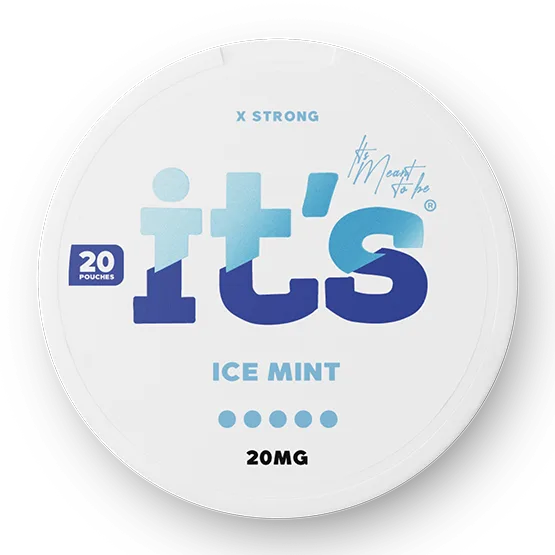
Read the strength rating next
After the content, look for the strength rating. Some brands use numbers, some use words, and some use dots, bars or colour bands. This is where many comparisons go wrong. A strength rating is a brand's own way of ranking its range. It is helpful inside that range, but it does not always translate neatly across brands.
For example, a product marked as extra strong by one maker may not line up exactly with the same wording from another. The label may refer to nicotine content, nicotine release, or the overall experience the maker intends. If you are comparing two packs, read the rating and the stated milligrams together. That gives you a firmer basis than relying on the front-of-pack badge alone.
Many shoppers look at nicotine pouch strengths as a simple scale from mild to strong. That can be useful, but it is only part of the label. Tolerance also changes how a product feels. Someone who uses pouches rarely may notice a difference sooner than someone who uses them often. The rating is a guide to the product, not a prediction of how every adult will experience it.
Check the pouch size and format
Next, look at pouch size. A slim pouch sits more discreetly under the lip and may feel less bulky. A mini pouch is smaller again and may be chosen by people who want a compact format. These terms describe the physical pouch, not automatically the strength. A small pouch can contain a meaningful amount of nicotine, while a larger pouch may be designed for a longer, steadier release.
Label wording can be subtle. You may see the nicotine amount stated per pouch and then a separate line about the number of pouches in the can. Those are different details. The first helps you understand the amount in each portion. The second tells you how many portions the can contains. Neither tells you by itself how strong the pouch will feel.
Texture and moisture are also worth noticing where the pack describes them. Some pouches are drier, while others feel juicier. That can shape nicotine release and comfort. A drier pouch may take longer to get going, while a juicier one may feel more immediate. If sensitivity under the lip is a concern, the pouch size and format deserve as much attention as the number on the front.
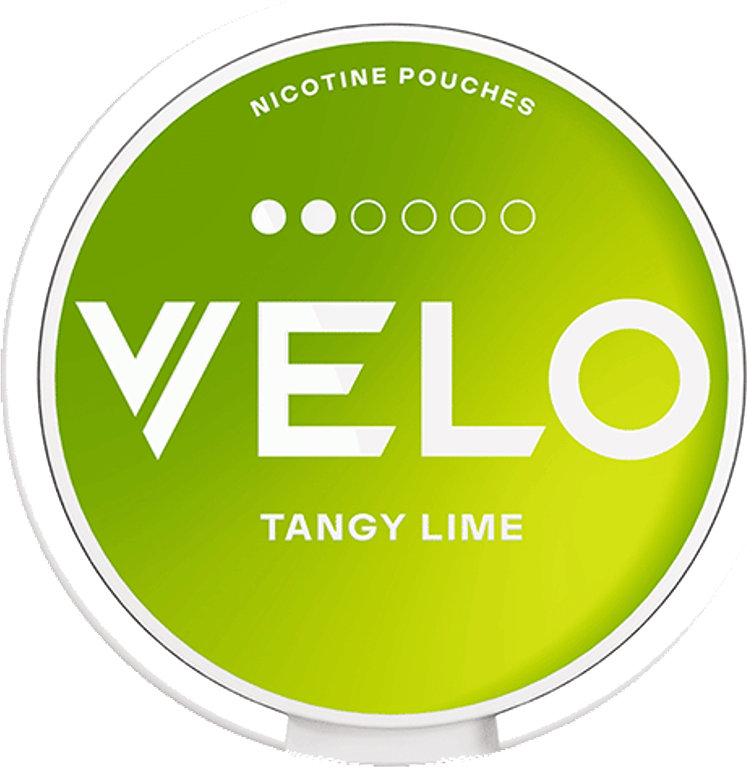
Match the flavour description to the product type
Flavour names are easy to skim, but they can carry useful information. A label may say mint, menthol, berry, citrus or tobacco. Some names refer to a single flavour, while others suggest a blend. Words such as frost, ice or cool often point to a cooling sensation rather than a separate nicotine effect. That sensation can make a product feel sharper without changing the stated nicotine content.
Read flavour wording alongside strength. A strong mint pouch can feel more intense than a similarly rated pouch in a softer flavour, simply because the cooling effect draws attention to the experience. That does not mean the label is misleading. It means the label has more than one kind of information, and each kind has a role.
There are nicotine pouches for different preferences, including people who prioritise a discreet pouch, a clear flavour or a higher stated strength. Reading the label in the same order each time makes those choices easier to compare. Start with content, move to the strength rating, then check size and flavour. That routine stops one bold word on the pack from doing all the deciding.
Compare products fairly
Once the main details are clear, place two or more labels side by side. Compare the same units. If one pack states milligrams per pouch and another states milligrams per gram, do not treat the numbers as equal. Check pouch size and count as well. A can with fewer pouches may still be comparable if each pouch contains more nicotine, but the label is the only place to confirm that.
Brand language adds another layer. Some makers use a strength rating that runs across their whole range. Others keep the words simple and let the nicotine figures do the work. This is why nicotine pouch strengths are best read as product details rather than universal labels. A rating can guide a choice within one brand, while the stated content helps with broader comparison.
It also helps to watch for terms that describe the experience rather than the amount. Smooth, balanced, intense and fresh are common kinds of wording. They can be useful, but they are not precise measurements. If a label offers both descriptive words and numeric detail, give the numeric detail more weight when comparing products.
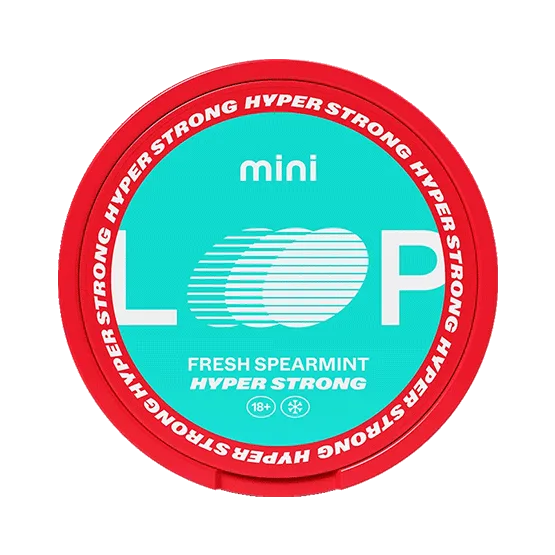
Watch for age and safety information
Finally, read the age and safety panel. Nicotine pouches are intended for adults aged 18 and over. Labels may also carry warnings about nicotine dependence and use during pregnancy. These details are not filler. They set the context for the product and should be read before any choice is made.
Keep pouches stored as the pack directs and away from children. If the seal is broken or the packaging looks damaged, the label may no longer be the best guide to what is inside. A practical reading habit includes noticing the condition of the pack as well as the words printed on it.
There are nicotine pouches for different preferences, but the safest comparisons are built from clear facts. Read the nicotine content first, then the strength rating, then the pouch size, flavour and safety information. With that order in mind, a crowded label becomes a set of useful details rather than a wall of small print.